
Mechanical Ventilation · ERV & HRV
Available on 2027
Fresh air
Modern homes are built tight — well insulated, well sealed, and energy efficient. That is exactly the problem. Without a mechanical ventilation system, the air inside your home becomes stale, humid, and full of pollutants. An ERV or HRV continuously exchanges that air with fresh outdoor air — recovering the energy in the process so you never have to choose between air quality and efficiency.
Energy-efficient construction seals the building envelope to reduce heating and cooling losses. The unintended consequence is that stale air, humidity, CO₂, and indoor pollutants have nowhere to go. Opening a window wastes energy and lets in noise and pollen.
Mechanical ventilation is the only real solution.
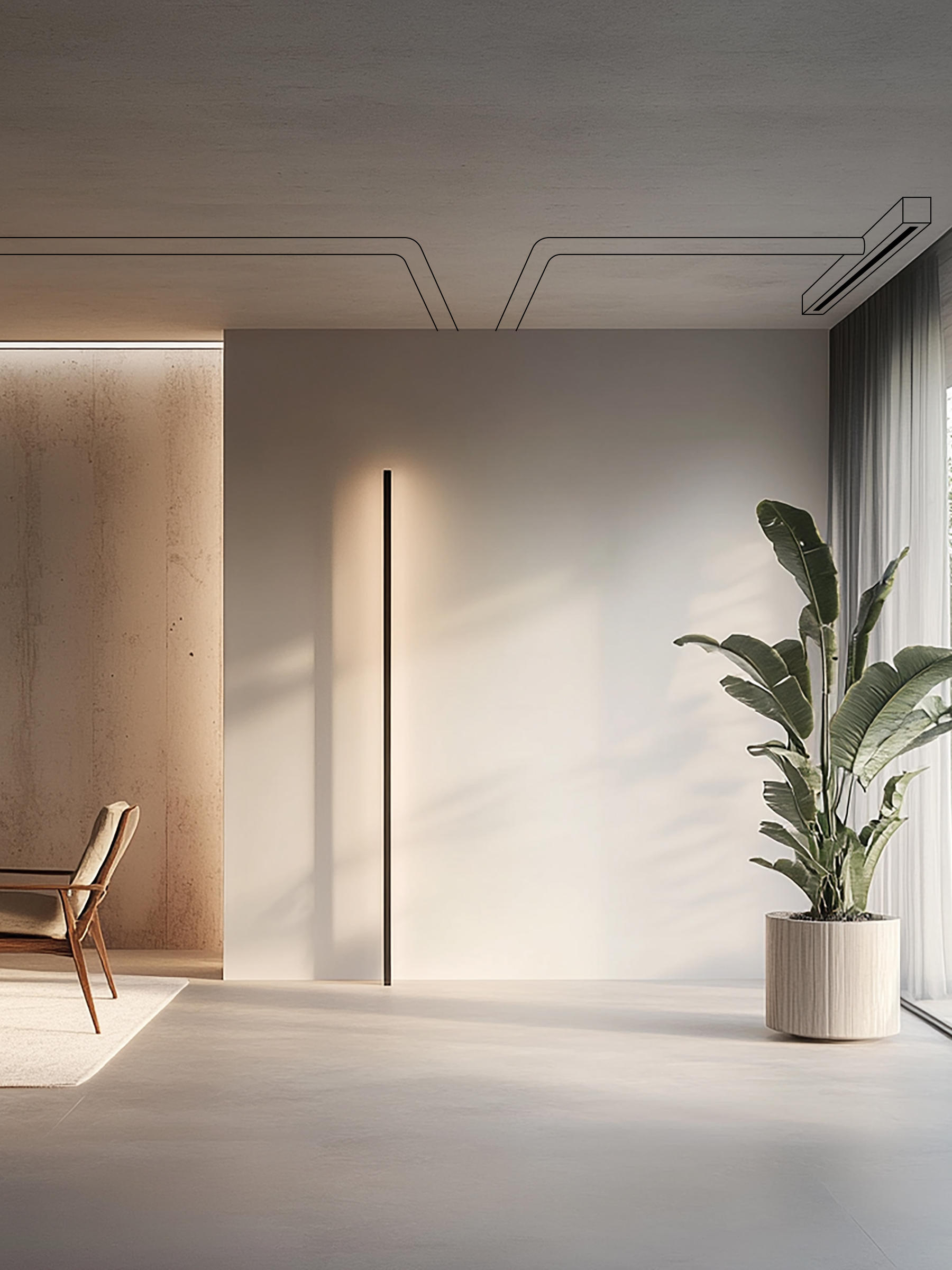
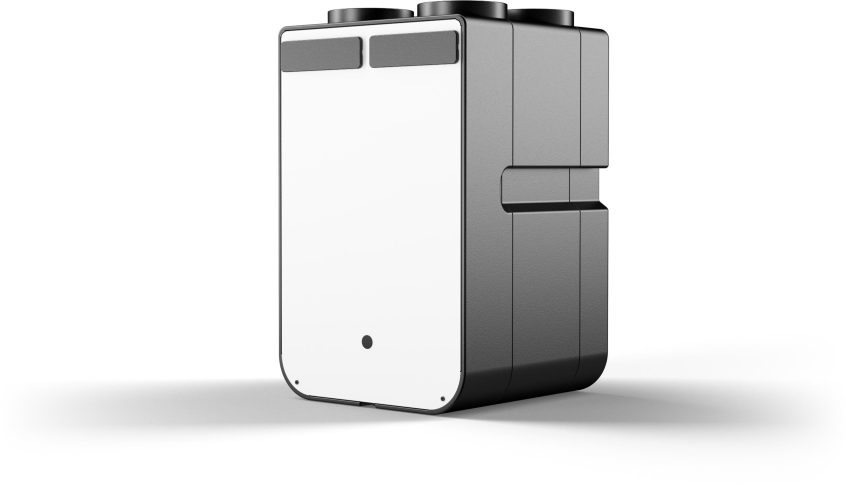
Exchange the air. Keep the energy.
An ERV or HRV does something that opening a window cannot — it transfers the energy from the outgoing stale air to the incoming fresh air before they ever mix. The result is continuous fresh air with almost no energy penalty.
Same idea. Different climates.
Both an ERV and an HRV continuously exchange indoor air with fresh outdoor air and recover the energy in the process. The difference is how they handle moisture — and that difference determines which is right for your climate.
Air quality sensing that drives ventilation — automatically.
Most ventilation systems run on a fixed schedule — ventilating at the same rate whether the house is full of guests or empty. The Messana mSensor with VOC detection changes that. It reads the actual air quality in real time and responds proportionally — running the ERV or HRV only as hard as the air quality demands. The result is better air quality, less energy wasted, and a system that responds to how you actually live.
Why choose ERV/HRV for your project:
Modern homes are built so well-sealed and energy-efficient that the air inside has nowhere to go — CO₂ from breathing, moisture from cooking and showering, VOCs from furniture and cleaning products all accumulate to levels far higher than outdoors; an ERV or HRV solves this permanently by continuously exchanging stale indoor air with fresh filtered outdoor air, recovering up to 85% of the energy in the process, so you never have to choose between a healthy home and an efficient one.